
Serenty Guide
Meditation for Kids: Keep It Short and Concrete
Meditation for kids works best when it feels short, concrete, and gentle. The goal is not perfect stillness. The goal is helping children notice their body, breath, and attention in a way that feels safe and doable.
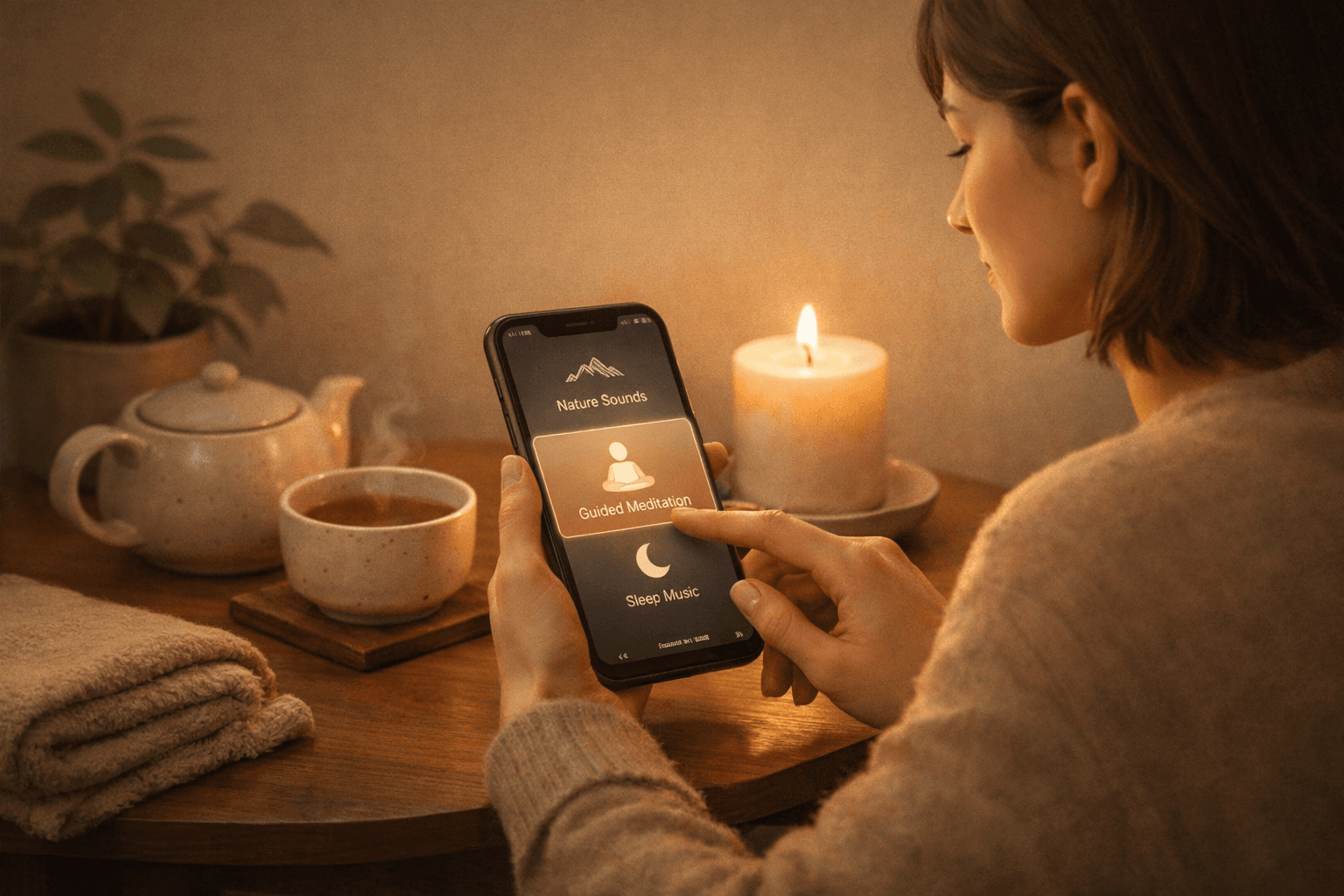
Mindful meditation guides
Start here if you want mindful meditation explained clearly, then want practical ways to use it for real days and real routines.Short answer
Meditation for kids should use simple language, short sessions, and physical or sensory anchors. Breathing, listening, body scan, and guided imagery are usually easier than abstract mindfulness instructions.
Who this helps
- parents or caregivers introducing meditation gently
- kids who need a calmer transition before bed or after school
- short daily routines that support regulation without pressure
Best when you want mindful meditation explained clearly, compared with alternatives, or shaped into a short practice you can use today.
Sample session
How to do it
- 01
Keep it very short
Start with one to three minutes so the practice feels friendly.
- 02
Use concrete cues
Try balloon-breath imagery, noticing sounds, or a simple body scan instead of vague instructions.
- 03
Practice during calm times too
Children learn the rhythm faster when meditation is not only used after overwhelm has already peaked.
- 04
Let the tone stay light
Treat the practice like a gentle reset, not a behavior test.
Short guided practice vs abstract advice
Short guided practice
Better when you want mindful meditation to feel concrete, repeatable, and usable in daily life.
Abstract advice
Can sound inspiring, but it often leaves beginners unsure what to do when the moment is actually hard.
Mindful meditation tends to work better when the next cue is clear and the session is short enough to repeat.
Helpful notes
- Short guided sessions often work better than silent practice for kids.
- Bedtime, after school, and transitions are common times to use it.
- Keep language simple and avoid pushing a child to stay still beyond what feels manageable.
FAQ
What kind of meditation is best for kids?
Short guided breathing, listening games, and body scan practices are often easiest because they are concrete and easy to follow.
How long should kids meditate?
One to three minutes is enough for many children at first. The goal is familiarity, not long duration.
Should kids meditate only when upset?
No. It helps to practice during calmer moments too so the routine feels familiar later.
Keep going
Next best move
Start a short guided practice inside Serenty.
Use the reset for right now, then keep the sessions that actually work for you.